Phoenix Staging Furniture Rental Market Guide:
Opportunities for Professional Stagers & Home Sellers
Phoenix Staging Furniture Rental Market Opportunities
The Phoenix metropolitan area offers exceptional opportunities for professional home stagers and real estate professionals who understand the strategic value of furniture rental partnerships. As one of the nation's fastest-growing real estate markets, Phoenix creates consistent demand for high-quality staging services—and professional stagers who partner with reliable furniture rental companies can scale their businesses without the capital constraints of furniture ownership.
For homeowners selling in Phoenix, understanding the local market's unique characteristics—from seasonal buyer patterns to neighborhood-specific preferences—helps inform smart staging decisions, including when furniture rental makes sense versus using existing furnishings.
Whether you're a professional stager building your staging portfolio, a real estate broker seeking competitive advantages, or a homeowner preparing to sell, this guide explores how Phoenix's dynamic furniture rental market supports successful staging outcomes across all property types and price points.
Phoenix Metro Real Estate Statistics
The Phoenix metropolitan area, encompassing cities like Scottsdale, Mesa, Tempe, Gilbert, and Chandler, continues to experience robust real estate activity. Recent data shows that staged homes in the Phoenix market sell an average of 73% faster than non-staged properties, with premium pricing that often exceeds unstaged comparable properties by 5-15%.
For professional stagers and real estate investors, these statistics represent significant business opportunities. The Valley's growing population, influx of remote workers, and strong job market create consistent demand for properly staged properties across all price points.
Homeowners selling in Phoenix benefit from understanding that local buyers have become increasingly sophisticated, often viewing dozens of listings online before scheduling showings. Professional-quality staging—whether handled by a professional stager or DIY with quality furniture rental—has become essential for competitive positioning.
Market Opportunities for Professional Stagers
The Phoenix staging market offers exceptional growth potential for professional stagers and real estate professionals. With thousands of homes listing monthly across the Valley, the demand for staging services continues to outpace supply in many neighborhoods.
Key Growth Drivers for Stagers
- 1. New Construction Boom: Mesa, Gilbert, and Queen Creek continue to see significant new construction, creating opportunities for model home staging and builder partnerships.
- 2. Investment Property Market: Phoenix attracts out-of-state investors who rely on local stagers to prepare properties for sale or lease without traveling to Arizona.
- 3. Luxury Market Expansion: Scottsdale, Paradise Valley, and North Phoenix luxury markets demand high-end staging expertise with premium furniture and accessories.
- 4. Broker Partnerships: Top-producing real estate teams increasingly seek exclusive staging partnerships to differentiate their listings and justify premium commissions.
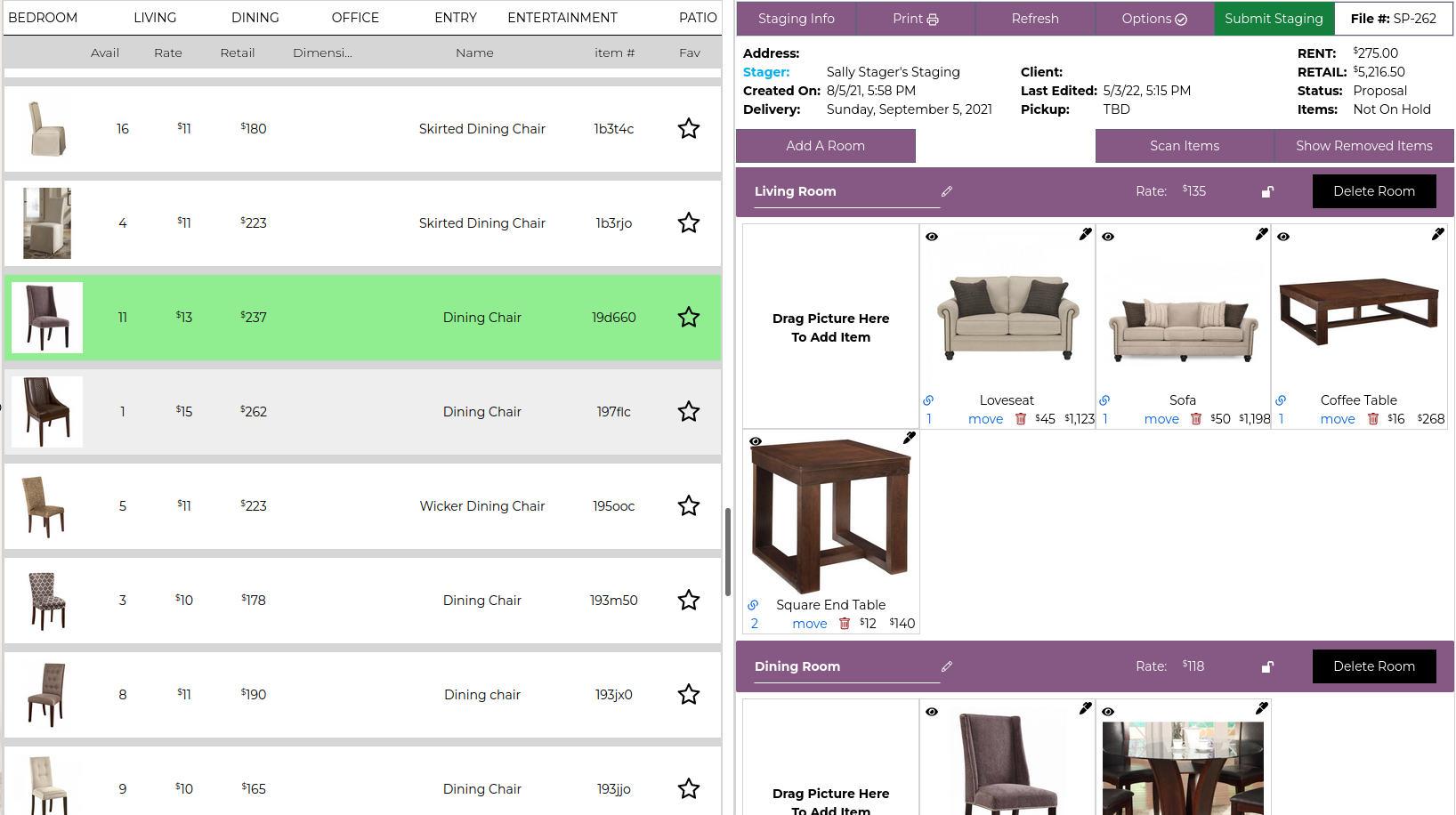
Professional stagers who partner with furniture rental companies can scale their businesses without the capital investment of purchasing inventory. This model allows stagers to take on multiple concurrent projects while maintaining healthy cash flow and minimizing storage costs.
Seasonal Trends Affecting Phoenix Staging
Phoenix's real estate market experiences distinct seasonal patterns that impact staging strategies for both professionals and homeowners.
Peak Season (January - April)
Phoenix's peak selling season coincides with pleasant weather and the influx of seasonal residents. Professional stagers experience their highest demand during these months, often managing 10-20 concurrent projects. For homeowners, listing during peak season means competing against more inventory but also accessing the largest pool of active buyers.
Staging considerations for peak season:
- • Emphasize outdoor living spaces and desert landscaping in staging photos
- • Lighter color palettes resonate with snowbird buyers seeking bright, airy spaces
- • Professional stagers should secure furniture rental partnerships early to ensure inventory availability
- • Homeowners benefit from booking staging services 2-3 weeks before peak season begins
Summer Season (May - September)
Summer brings heat but also opportunity. Serious buyers still shop during summer months, often with greater urgency and less competition from other listings. Professional stagers can offer premium pricing for summer projects due to reduced competition for services.
Summer staging strategies:
- • Highlight climate-controlled indoor living spaces
- • Stage covered patios and shaded outdoor areas to showcase year-round usability
- • Cool color palettes create psychological comfort despite exterior heat
- • Real estate investors and flippers often target summer purchases, creating B2B opportunities
Fall/Holiday Season (October - December)
Fall brings renewed buyer activity as temperatures cool and families settle after summer vacations. Professional stagers should prepare for increased demand in October and November, with a traditional slowdown during late December holidays.
For homeowners, listing in fall means less competition and motivated buyers seeking to close before year-end. Subtle seasonal touches in staging can create emotional connections without alienating buyers who may close in different seasons.
Neighborhood-Specific Buyer Preferences
Phoenix's diverse neighborhoods attract different buyer demographics, requiring tailored staging approaches for maximum effectiveness.
Scottsdale & Paradise Valley
Luxury buyers in these premium markets expect sophisticated staging with high-end furniture, original artwork, and impeccable attention to detail. Professional stagers working these neighborhoods should partner with furniture rental companies offering designer-level inventory and custom art services.
Homeowners in luxury markets often benefit from hiring professional stagers rather than DIY approaches, as the investment in premium staging services typically returns 3-5x in final sale price premiums.
Mesa, Gilbert & Chandler
East Valley neighborhoods attract family-oriented buyers seeking functional, comfortable living spaces. Staging should emphasize livability, with furniture arrangements that showcase room functionality and family-friendly layouts.
These markets offer excellent opportunities for professional stagers building volume businesses, as the consistent turnover and moderate price points create steady demand. Homeowners in these areas find that moderate staging investment (often through furniture rental) yields strong returns through faster sales and reduced carrying costs.
Central Phoenix & Arcadia
Urban neighborhoods near downtown attract young professionals and empty nesters seeking contemporary design and walkable lifestyles. Staging should feature clean lines, modern furniture, and sophisticated color palettes.
Professional stagers can differentiate themselves in these markets by offering contemporary furniture selections and knowledge of urban buyer preferences. Homeowners benefit from staging that highlights unique architectural features common in these established neighborhoods.
Tempe & West Valley
These growing markets attract diverse buyers, from ASU-affiliated professionals in Tempe to value-conscious families in Surprise and Goodyear. Versatile staging that appeals to multiple demographics works best.
Professional stagers can build high-volume businesses in these areas by offering efficient staging packages at competitive price points. Homeowners find that even basic staging significantly improves showing performance compared to vacant or poorly furnished properties.
How Local Market Affects Furniture Selection
Phoenix's climate, architecture, and buyer demographics directly influence optimal furniture choices for staging success.
Desert Contemporary Style
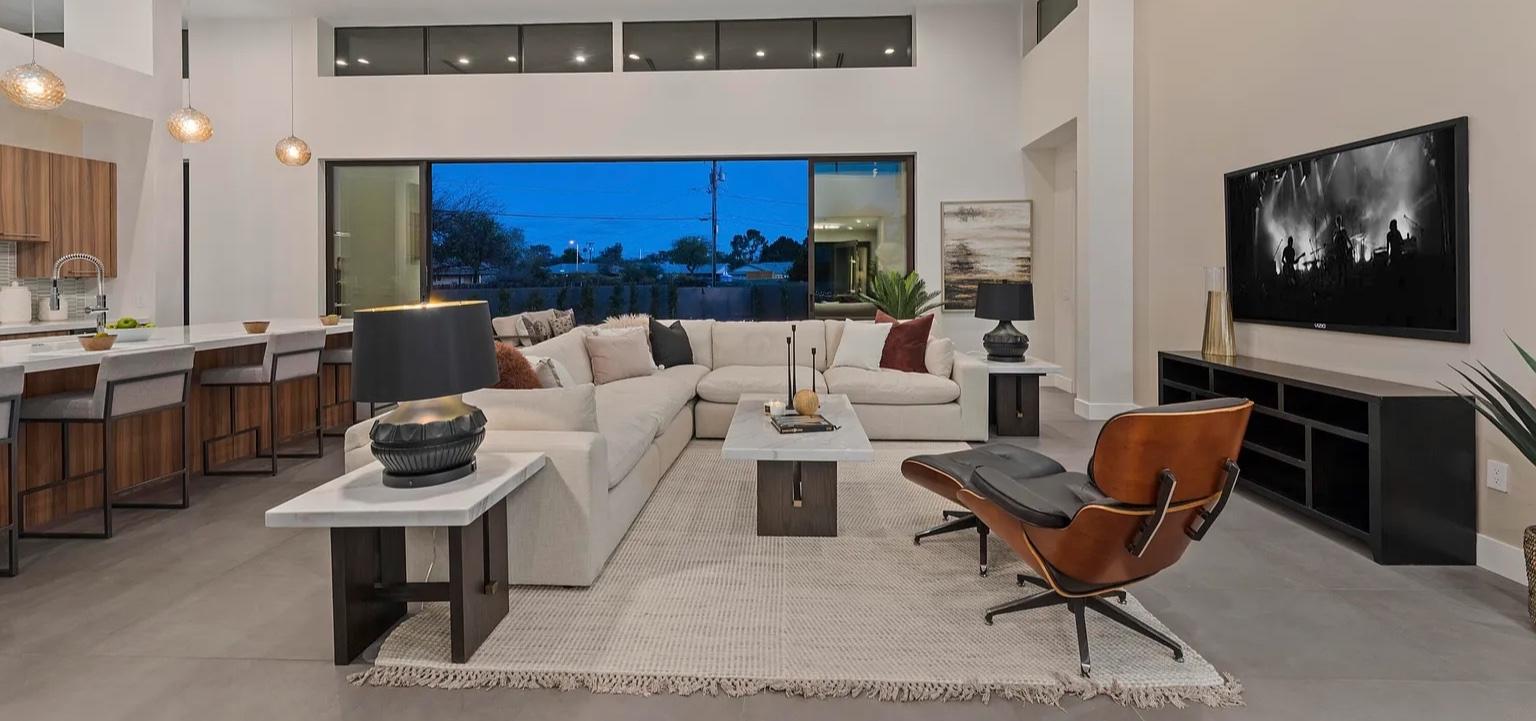
Phoenix buyers gravitate toward clean-lined, contemporary furniture that complements the region's desert modern architecture. Professional stagers should prioritize neutral palettes with warm undertones—think taupes, warm grays, and natural wood tones that harmonize with Arizona's landscape.
For professional stagers, partnering with a furniture rental company that maintains current, style-appropriate inventory eliminates the risk of furniture becoming dated. Homeowners renting furniture should request contemporary pieces rather than traditional styles, which resonate less with Phoenix's aesthetic preferences.
Scale for Arizona Homes
Phoenix homes typically feature larger rooms and open floor plans compared to other markets, requiring appropriately scaled furniture. Undersized furniture makes rooms feel empty and undefined, while oversized pieces can overwhelm spaces despite their size.
Professional stagers with access to comprehensive furniture rental inventories can select proper scale for each project. Homeowners staging themselves benefit from visiting a furniture rental showroom where they can see pieces in room settings and receive guidance on appropriate sizing.
Indoor-Outdoor Connection
Phoenix buyers expect seamless indoor-outdoor living spaces. Staging should create visual continuity between interior spaces and outdoor areas, using complementary furniture styles and coordinated color palettes.
Both professional stagers and homeowners should consider staging key outdoor areas—covered patios, outdoor kitchens, and pool areas—as these significantly influence buyer decisions in the Phoenix market.
Climate Considerations
Arizona's intense sun affects furniture selection and placement. Professional stagers should avoid dark furniture in sun-exposed rooms, as it can make spaces feel uncomfortably warm in listing photos. Lighter furniture and strategic window treatments create the illusion of cooler, more comfortable spaces.
Best Time to Stage in Phoenix (Homeowner Perspective)
For Phoenix homeowners preparing to sell, timing your staging investment strategically maximizes return on investment.
Optimal listing timeline:
- • Late December/Early January: Stage your home in late December to capture early January buyers, the most active purchasing period in Phoenix
- • Late August/Early September: Stage in late summer to catch the fall buying surge with less competition from other listings
- • Avoid mid-December: Holiday weeks see reduced showing activity; stage before Thanksgiving or wait until after New Year's
Homeowners using furniture rental for staging typically rent for 60-90 days, covering the listing period and escrow. Professional stagers can help homeowners calculate optimal rental duration based on market conditions and property type.
The Professional Stager Advantage in Phoenix
Professional stagers who understand Phoenix market dynamics and maintain strong furniture rental partnerships position themselves for sustained business growth in one of America's most dynamic real estate markets.
Key success factors for Phoenix staging professionals:
- 1. Local Market Expertise: Understanding neighborhood-specific buyer preferences and architectural styles
- 2. Reliable Furniture Partnerships: Access to quality rental inventory with flexible scheduling and professional delivery
- 3. Seasonal Planning: Preparing for peak season demand while maintaining business during slower summer months
- 4. Broker Relationships: Building partnerships with top-producing real estate agents and teams
- 5. Portfolio Development: Creating compelling before/after photography showcasing Phoenix-specific staging success
Professional stagers operating in Phoenix benefit from a market that values staging services, with many real estate agents building staging costs into their marketing budgets for premium listings.
Conclusion: Phoenix Market Creates Opportunities for All
The Phoenix staging market offers exceptional opportunities for professional stagers, real estate professionals, and homeowners who understand local market dynamics and buyer preferences. As the Valley's population continues growing and real estate activity remains robust, effective staging becomes increasingly essential for competitive positioning.
For professional stagers, Phoenix represents a scalable business opportunity with consistent demand across diverse neighborhoods and price points. Strategic furniture rental partnerships enable growth without capital constraints while maintaining service quality.
For homeowners, understanding Phoenix market conditions and staging expectations helps inform the decision between hiring a professional stager or pursuing DIY staging with quality furniture rental. Either approach, when executed with market knowledge, significantly improves selling outcomes.
Whether you're building a staging business, representing sellers as a real estate professional, or preparing your own home for sale, success in the Phoenix market requires combining local expertise with quality staging execution. The investment in proper staging—through professional services or strategic furniture rental—consistently delivers returns through faster sales, higher prices, and competitive market positioning.